
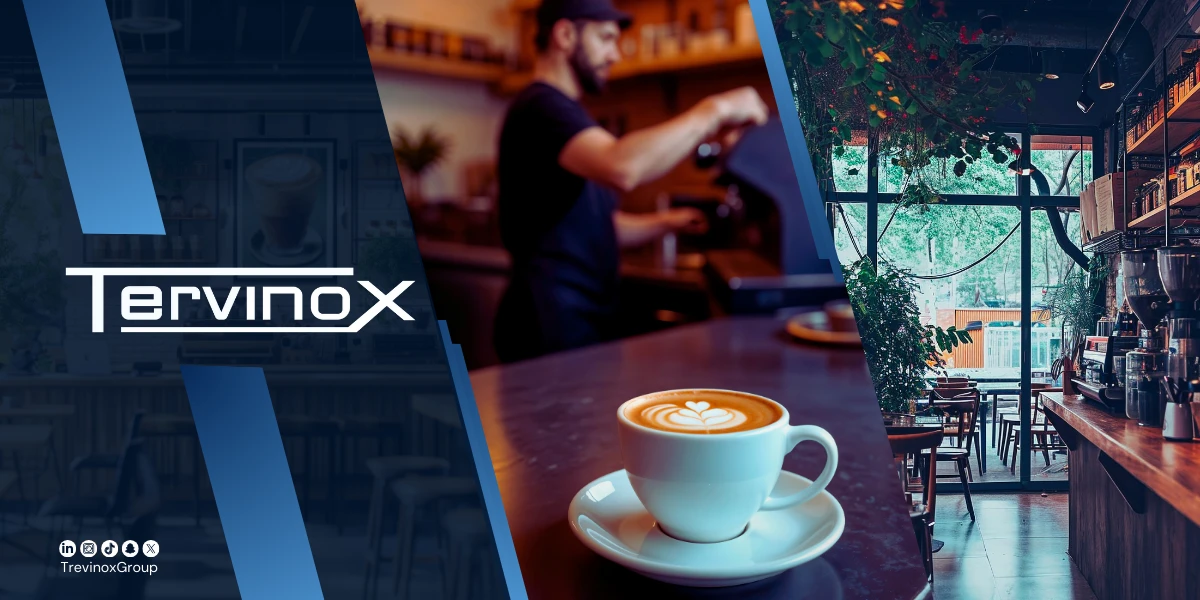
The cafe project in the Kingdom is no longer just about providing a good beverage menu; it has transformed into an industry of creating a complete visual and emotional experience that begins the moment a customer sets foot inside. Understanding the local market and the preferences of Saudi society requires a precise answer to the question: What are the foundations of cafe design in Saudi Arabia? This ensures smart space utilization and lighting distribution that provides comfort and privacy. At Tervinox, we understand that small details in material selection and movement flow are what make the difference between a passing cafe and a favorite destination for patrons.
Contact us now to transform your cafe idea into tangible reality with exceptional designs
What are the foundations of cafe design in Saudi Arabia?
When planning to launch your project, you must realize that cafe design in the Saudi market is subject to requirements that combine local culture with modern international standards. The answer to the question "What are the foundations of cafe design in Saudi Arabia?" depends on three fundamental pillars: space utilization, customer experience, and compliance with government regulations.
Seating must be distributed in a way that grants customers the kind of privacy preferred by the community, while considering movement flow to ensure waiters or customers can reach the order area without congestion. Lighting also plays a fundamental role; morning cafes rely on natural light, while evening cafes need warm and thoughtful lighting.
- Providing entrances and exits easily accessible to people with special needs according to the Saudi Building Code
- Allocating sufficient space for waiting external orders to ensure customers do not crowd in front of the counter
- Integrating visual identity with interior decoration to reinforce the brand in the customer's mind
- Choosing air conditioning and cooling systems appropriate for high temperatures to ensure patron comfort
- Using sound insulation in walls and ceilings to reduce noise from coffee machines
Kitchen and preparation area design standards in cafes
The kitchen is the beating heart of any cafe, and designing it correctly from an engineering perspective significantly increases operational efficiency. The standards here focus on separating operations where the dishwashing area must be isolated from the food and beverage preparation area to avoid cross-contamination. It is essential to use easy-to-clean, bacteria-resistant materials for wall and floor cladding, while ensuring a strong ventilation and smoke extraction system that prevents odors from leaking into the seating hall. Arranging equipment according to the order preparation sequence saves employee time and reduces the likelihood of occupational accidents inside the busy work area.
Element | Operational Standard |
|---|---|
Movement paths | Corridor width must not be less than 90 cm for ease of movement |
Surfaces | Use stainless steel for easy sterilization and rust resistance |
Storage | Provide shelves 15 cm above the floor for easy cleaning underneath |
Lighting | Distribute strong white lighting above preparation areas for work accuracy |
Drainage | Install grease traps and wide, easily removable floor drainage openings |
Specialty coffee corner design according to international standards
Specialty coffee stations require engineering precision that goes beyond simply placing an espresso machine on a table. International standards impose precise distribution of electricity and water points under the counter to ensure a clean and attractive exterior appearance. The corner should be designed to facilitate visual communication between the barista and the customer, enhancing the interactive experience. The standard height of the work surface should also be considered to be comfortable for the employee during long work hours, with sufficient space allocated for multiple bean grinders and manual brewing tools that require wide and organized horizontal space to ensure extraction quality in every cup.
- Allocating a filtered water point with specific chemical specifications to ensure ideal coffee taste
- Installing small sinks (Pitcher Rinser) integrated into the marble for quick milk pitcher cleaning
- Providing dedicated drawers for disposing of coffee grounds (Knock Box) near the machine
- Designing rear display shelves with clear viewing angles for available crops for sale
- Using work surfaces resistant to high heat and scratches from tool movement
Learn more: Food safety standards in Saudi commercial kitchens
How to choose sustainable materials in designing your new cafe?
The shift toward sustainability is not just a luxury, but a smart investment that reduces long-term maintenance costs and attracts a wide segment of environmentally conscious customers. When choosing materials, look for local materials that reduce the carbon footprint of transportation, such as using recycled wood in table manufacturing or natural stones extracted from Saudi quarries.
You can also incorporate organic fabrics in seating and use environmentally friendly paints (Low VOC) that do not emit chemical odors that harm indoor air quality, making the seating experience healthier and more comfortable for patrons.
- Using natural marble or terrazzo for flooring for its durability and high load-bearing capacity
- Adopting energy-saving LED lighting technologies with smart sensor control systems
- Integrating natural plants into interior design to improve air quality and purify the atmosphere
- Choosing double-glazed windows to reduce air conditioning consumption through external heat insulation
- Using natural cork or recycled felt as sound insulation in ceilings
Learn more: Smart kitchen planning
Standards for selecting Stainless Steel 304 and 316 equipment for Saudi cafes
In the tough working environment inside cafes, the quality of metal equipment is the real guarantee for operational continuity without breakdowns. It is preferable to use grade 304 stainless steel for most preparation surfaces and tables due to its excellent corrosion resistance and ease of forming. However, if the cafe is near humid areas or strong chemical cleaning materials are used, transitioning to grade 316 is a strategic choice because it contains molybdenum that provides superior protection against rust in harsh conditions. We ensure that choosing the correct metal thickness (Gauge) prevents denting or damage over time with repeated daily use.
Stainless Steel Type | Optimal Use | Key Features |
|---|---|---|
Grade 304 | Preparation tables, shelves, sinks | High rust resistance, economical price, easy cleaning |
Grade 316 | Washing areas, coastal equipment | Maximum resistance to salts and moisture, longer lifespan |
1.5 mm thickness | Heavy work surfaces | Withstands weights and vibrations without metal deformation |
1.2 mm thickness | Side doors and partitions | Light weight with sufficient durability for daily use |
Tervinox solutions for equipping kitchens and cafes in NEOM and the Red Sea
With the launch of mega projects in NEOM and Red Sea destinations, the need for advanced equipment that keeps pace with the Kingdom's Vision 2030 has become imperative. Tervinox offers comprehensive engineering solutions suitable for the geographical nature of these areas, where we focus on providing highly efficient cooling equipment that operates in high humidity and heat conditions without affecting performance.
We understand that projects in these areas require speed in execution with utmost precision in finishing, so we provide customized manufacturing that combines luxury and functionality, with strict commitment to the highest sustainability standards required by these international destinations to ensure an unforgettable tourism and investment experience.
- Designing smart kitchen systems that reduce energy and water consumption in line with NEOM environmental standards
- Using laser welding techniques in equipment manufacturing to ensure a sleek and luxurious aesthetic appearance
- Providing modular mobile units suitable for the nature of resorts and luxury camps
- Offering specialized engineering consultations to improve workflow in open and coastal spaces
- Quick technical support and periodic maintenance to ensure service continuity in remote destinations
Building a successful cafe begins with a precise understanding of the balance between beauty and function. Through our answer to the question "What are the foundations of cafe design in Saudi Arabia?", it becomes clear that success lies in the details, starting from the quality of stainless steel equipment to lighting distribution and movement flow. At Tervinox, we do not just design spaces; we build integrated operational environments that help you provide the best service to your customers with minimal operational effort and the highest quality standards. We are your success partners in every step, from the engineering blueprint to installing the last piece in your kitchen or cafe.
Are you ready to design a cafe that leads the competition? Contact us at Tervinox now and get an engineering consultation for your project.
Frequently Asked Questions
How can cafe operating costs be reduced through design?
Costs can be reduced by choosing energy-efficient appliances (Inverter) and distributing natural lighting to reduce daytime consumption, in addition to designing a kitchen that reduces movement paths, which reduces the number of employees required per shift.
What is the ideal height for a coffee serving counter?
The ideal height ranges between 90 to 110 cm, as this height provides comfort for the barista while working and allows the customer to see the coffee preparation process clearly, enhancing confidence in quality.
Are there specific standards for storing coffee beans inside the cafe?
Yes, coffee beans must be stored in an area completely isolated from heat, humidity, and strong odors. Wooden or metal shelves away from direct sunlight are preferred to ensure preservation of the aromatic oils inside the beans.
What is the best way to absorb noise in cafes with high ceilings?
Using hanging acoustic baffles or sound-insulating ceiling panels, in addition to distributing upholstered furniture pieces and carpets in specific areas to absorb sound echoes from customer movement.
How do filtration systems contribute to protecting cafe equipment?
Advanced filtration systems (Reverse Osmosis) prevent salt and lime buildup inside espresso machine boilers, which extends the machine's lifespan and ensures consistent coffee taste regardless of water source changes.



